.png)


HATRI NEWS
MAY 26 2022
WORKSHOP AND TRAINING "BUILDING VIETGAP MODEL FOR PEANUT TREES IN TRA VINH "
May 26, 2022 training and workshop organized by the Mekong Delta Institute of High-Tech Agricultural Research in Cau Ngang district within the framework of science-saving addiction cooperation. The topic "Building a sustainable peanut cultivation process in Tra Vinh province" was chaired by Master Nguyen Thi Khanh Tran due to support from People's Committee of Tra Vinh Province and Department of Science and Technology of Tra Vinh Province
: Attending the training guide with Tra Vinh Plant Protection Department. Department of Science and Technology of Tra Vinh Province, Commune, People's Committee of Cau Ngang district and cooperative chairmen. Therefore, the topic has arranged 2 points in Cau Ngang and Tra Cu districts with an area of 30 hectares. Cau Ngang Points are selected for breed evaluation training and workshops. More than 30 farmers and 10 officials participated.
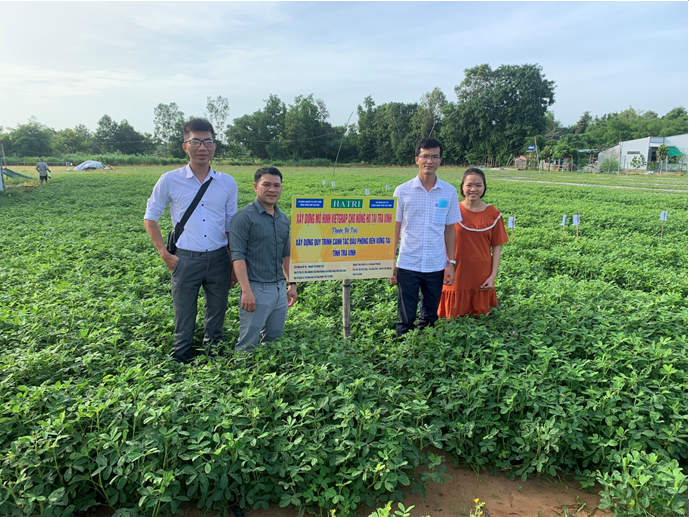
Figure 1: VietGap peanut cultivation model in Cau Ngang ( Photo by Quoc Nam)
Master: Nguyen thi Khanh Tran opened the conference and stated the goal "Topic: Researching to complete the technical process of peanut cultivation in Tra Vinh province in the direction of using organic fertilizers, probiotics provide nutrition or pest control, reducing the use of chemical fertilizers.
Specific objectives: - Building a technical process of sustainable peanut cultivation in Tra Vinh province: using probiotics in the production and creation of peanut products of high quality, safe and sustainable for the environment and people, meeting the requirements of VietGAP standards.
- Build a peanut farming model with VietGAP certification (according to TCVN standard 11892-1:2017), the scale of 30 hectares. - Link at least 01 business to consume peanut products.
- Training farming techniques for at least 200 farmers
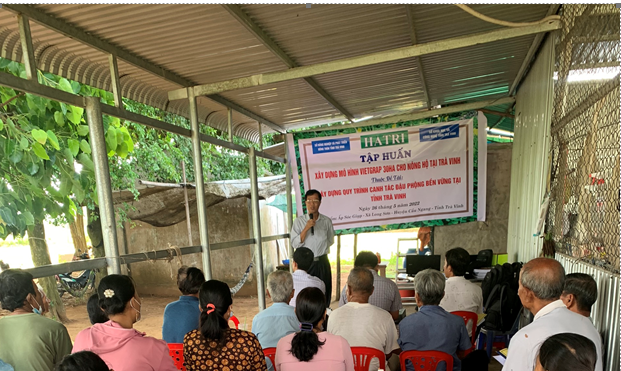
Figure 2: Introduction of Trang Tung (Tra Vinh Plant Protection Department): duty director for VietGap peanut cultivation model in Cau Ngang ( Photo by Hoang Phuong )
Nguyen Thi Khanh Tran reports and introduces Arachis hypogaea L.; genome AABB; 2n = 4x = 40) which is one of the world's most important seed oil crops. Peanut varieties improvements are quite limited compared to other crops because of their narrow genetic base (Wang et al. 2019a). Wild peanuts with high genetic variation, especially those of the Arachis Section, can be considered a very rich source of parenting material; Sect. Arachis is the largest section of the bean tree classification, with the genus Arachis including today's cultivated peanuts.
What is VietGAP? (Ministry of Agriculture of VietNam) VietGAP (Vietnamese Good Agricultural Practices) includes standards/regulations on good agricultural production practices for agricultural products (cultivation, animal husbandry, fisheries) in Vietnam; including principles, orders and procedures to guide organizations and individuals in producing, harvesting and processing to ensure safe products, improve product quality, ensure social welfare, health of producers and consumers, protect the environment and traceability of products. VietGAP standards/regulations are compiled based on the provisions of Vietnamese law (Food Safety Law, Law on Standards and Technical Regulations, Law on Environmental Protection, Law on Water Resources,...), FAO guidance and reference prescribed in AseanGAP, GlobalGAP, EurepGAP, HACCP standards.
Benefits of applying VietGAP to society: This is evidence to affirm the name of cultivated products, of Vietnam, increase export turnover by overcoming technical barriers, not violating regulations and requirements of importing countries. Applying VietGAP changes the current production practices, society reduces medical costs, people can use food safety and hygiene products, which means improving the quality of life of the community and ensuring the sustainable development of society.
For the manufacturer:
Help manufacturers respond more timely to production problems related to food safety and hygiene through production control in soiling stages, until harvesting, creating high-quality, stable products. Production facilities that apply the process and are certified by VietGAP will bring confidence to distributors, consumers and regulatory agencies. VietGAP certificate helps manufacturers build product brands and create a stable consumption market.
For bussines and exporting enterprises: The source of raw materials to ensure quality should ensure the quality of output of products, thereby maintaining credibility with customers and improving revenue. Since the source of input materials is already secured, businesses can reduce the cost and time for testing the input seafood sample. Reduce the risk of products being banned from import or 100% inspected when imported due to failure to meet chemical residue requirements.
For consumers: Consumers will be able to use products with food safety and hygiene quality, which is also the main goal and the biggest benefit that VietGAP brings. By setting out the risks and regulations, VietGAP will create the right to be demanded by consumers, thereby contributing to creating a generation of consumers who easily recognize food hygiene and safety products on the market when they see VietGap product certification or certification stamps, this is also the main motivation for people and manufacturers to improve to produce and supply good products from agriculture to society.
For Tra Vinh, with the situation of peanut production mainly according to traditional production methods such as small cultivation area, cultivation according to experience, lack of alignment and consumption through traders in the form of fresh products, not yet developed many processed products on peanuts, therefore, the application of production models as proposed in the topic will be a good solution to help renovate the situation of bulk planting to develop into a general organic production process for better product quality, safety and protected environment. Linking each small farmer to cultivate peanuts in the commune into production systems associated with consumption to control the quality of products to meet the requirements of the domestic market and export.
- VietGAP practice guidance purposes for 30 hectares of peanut trees grown in Tra Vinh. expected: 20 hectares at Tra Cu and 10 hectares at cau Ngang 2. The scope of adjustment and the applicable
- object 2. 1. The scope of adjustment of this Handbook only applies to the production of peanuts in the form of production in the field, grown on the land.
- Subjects applying this Handbook serve managers, technicians, farmer lecturers, VietGAP certification organizations and bean producers at Tra Vinh
High Agricultural Technology Research Institute for Mekong delta
- to build a 30-hectare VietGap model in Tra Vinh
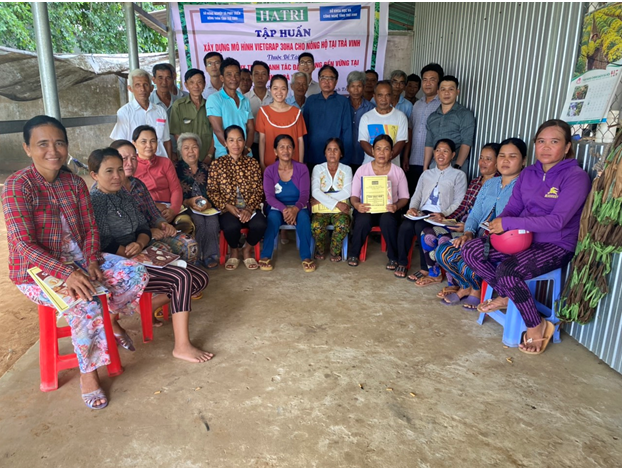
Figure 3: VietGap Peanut training for farmers in Cau Ngang district ( Photo by Quoc Nam)


